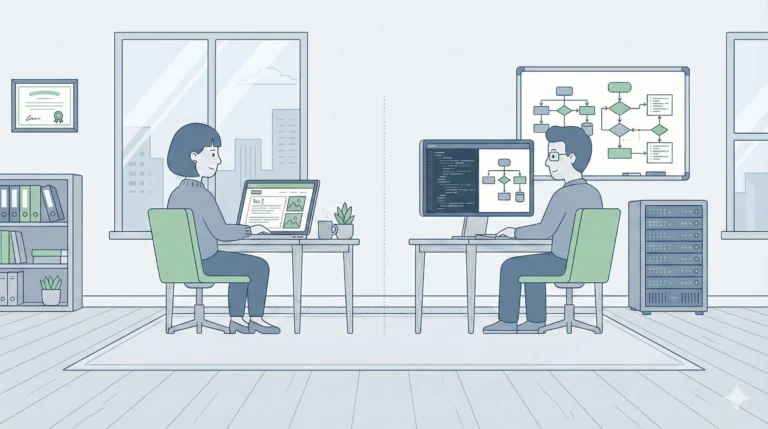

Small content changes should not require tickets to engineering.
When they do, something is broken in the system.
A CTA update should take minutes, not days. An image swap should not block a promotion. Content teams should not wait on developers to keep pages current.
Yet this happens constantly.
The result is slow publishing, frustrated teams, and outdated pages that hurt revenue.
This is not a people problem. It is a design problem.
When platforms lack clear governance, every content change becomes a negotiation. Developers spend hours on tasks that do not match their skills. Content teams lose momentum waiting for support.
The fix requires intentional design and clear boundaries.
Here is how to create a system that empowers creators and frees up developers.
Understanding the Real Problem
Most content requests feel simple.
Change a button. Swap an image. Update a headline.
On their own, these tasks take minutes. But when they pile up, they overwhelm engineering teams.
A five minute change becomes a three day process. Tickets stack up. Content falls behind. Pages stay outdated.
The problem shows up across three experiences.
Audience Experience suffers when pages show stale content. Promotions get missed. Product details stay outdated. Trust drops when information feels wrong.
Creator Experience slows when every update requires developer approval. Content velocity drops. Teams feel blocked. Publishing becomes unpredictable.
Developer Experience degrades when engineers spend time on work that does not use their skills. They want to build features, improve systems, and solve hard problems. Instead, they change buttons.
None of this is intentional. It happens because the platform evolved without clear rules about what creators can safely change.
Why This Happens
Most platforms grow without governance.
Early on, developers handle everything. As teams scale, content needs increase. But the system stays the same.
No one defines what creators can modify. No one standardizes reusable components. No one sets clear boundaries.
The result is dependency. Developers become bottlenecks. Content teams slow down. Friction builds.
This is fixable.
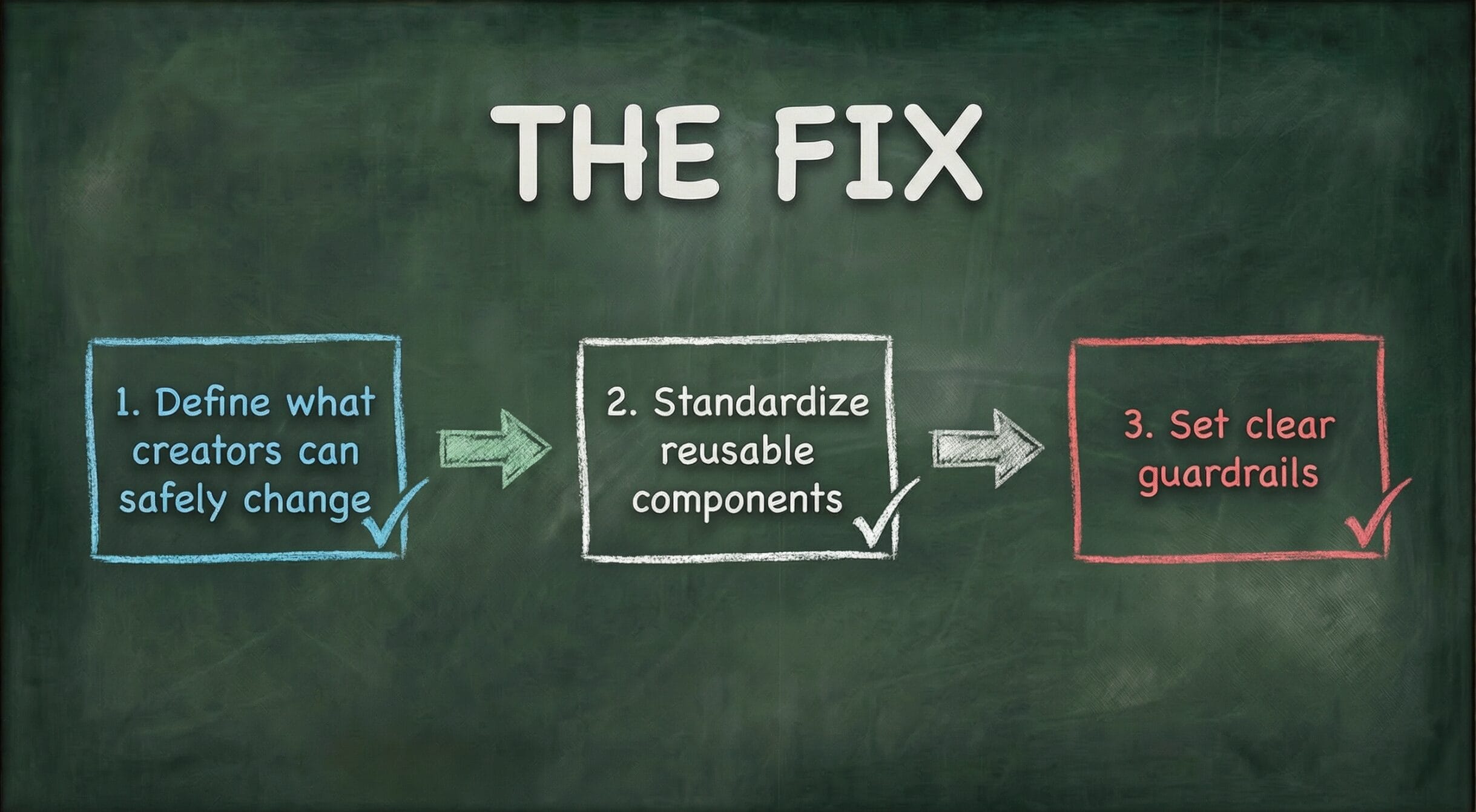
The Four Step Fix
1. Define What Creators Can Safely Change
Start by reviewing past tickets.
Look for patterns. What content requests repeat most often?
Common examples include hero images, CTA buttons, headlines, intro text, and footer links.
Create a clear list of elements creators should control without developer support.
This list becomes your foundation.
2. Standardize Reusable Components
Build flexible components that creators can update easily.
For example, create a hero banner template with editable fields for images, headlines, and buttons.
Standardization reduces errors. It builds creator confidence. It eliminates custom requests that slow everyone down.
When components are predictable, creators move faster.
3. Set Clear Guardrails
Freedom without boundaries creates new problems.
Define what can change and how.
Set image size limits. Provide optimization guidelines. Establish character counts for headlines. Restrict certain design elements that affect performance or accessibility.
Guardrails protect technical stability while giving creators control.
Document these rules clearly. Make them easy to find. Train teams on best practices.
4. Measure and Adjust
Track two metrics over time.
First, measure the percentage of content changes creators handle without developer support.
Second, track developer hours spent on content updates.
As creator led changes increase, developer hours should drop. This proves the system is working.
Review the data quarterly. Identify new patterns. Adjust components and guardrails as needed.
What This Looks Like in Practice
A content team needs to update a promotion banner.
Before the fix, they submit a ticket. A developer picks it up two days later. The change takes five minutes. The promotion launches late.
After the fix, the creator opens the banner component. They swap the image, update the headline, and change the button text. The update takes three minutes. The promotion launches on time.
No ticket. No wait. No friction.
Developers spend their time on feature work. Content teams publish faster. Pages stay current.
Everyone wins.
The Bigger Picture
This problem reflects a larger pattern.
Most platforms focus on audience experience while overlooking creator and developer experience.
When creator workflows stay clunky, content velocity drops. When developers handle busy work, strategic projects stall.
Platform resilience requires alignment across all three experiences.
Small governance improvements create momentum across the system.
Final Thoughts
Empowering creators is not about removing oversight. It is about designing systems that support independence within clear boundaries.
When creators control simple updates, they move faster. When developers focus on meaningful work, they build better systems. When pages stay current, audiences trust the brand.
The path forward is clear.
Define what creators can change. Standardize components. Set guardrails. Measure progress.
Your platform will become more efficient. Your teams will feel less friction. Your content will stay fresh.
Which content updates slow your team the most?